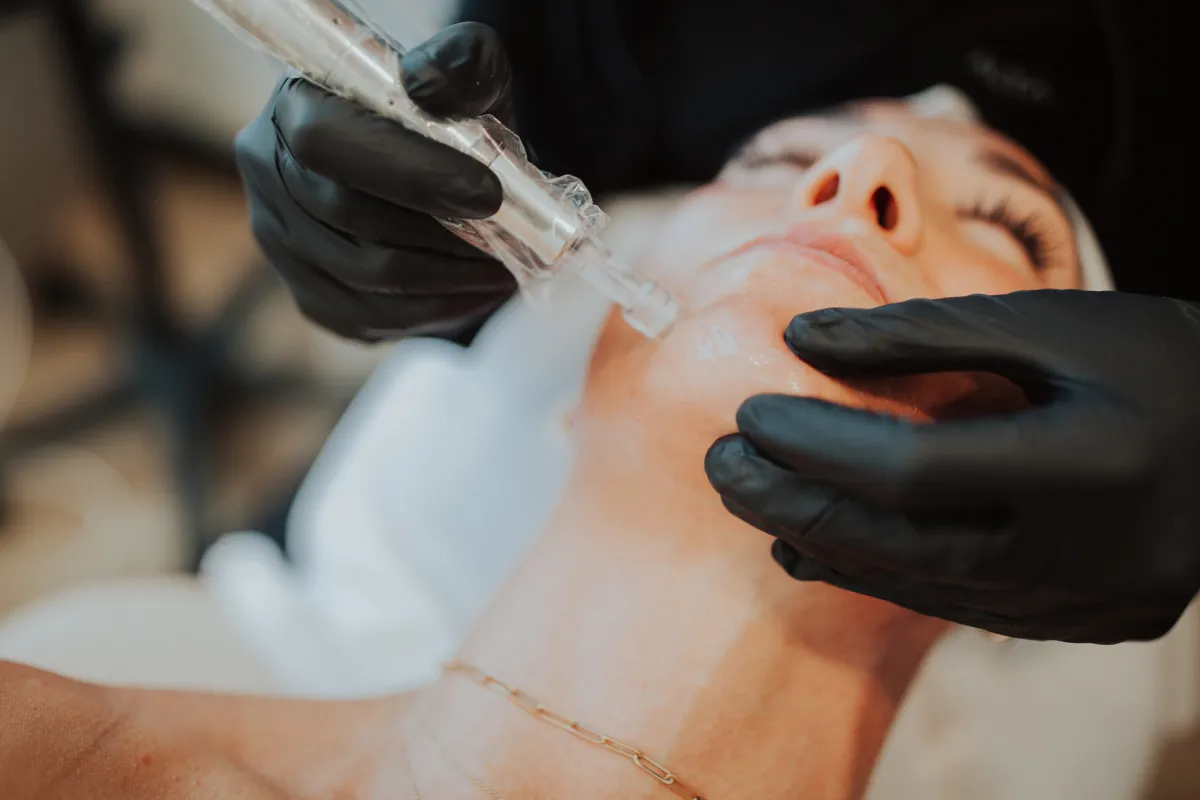
Microneedling is a needle-based procedure, so planning should include suitability, expected recovery, and your specific skin concern. Start with an assessment in Eagle Mountain rather than assuming every texture concern needs the same treatment.
Identify the concern before choosing a series
Explain whether your main concern is uneven texture, the appearance of scars, or another visible change. Ask which concerns microneedling may reasonably address and which need a different assessment.
Review your skin history and recent treatments. The goal is a plan with a clear reason for treatment and a way to judge progress.
Keep ordinary microneedling and RF microneedling distinct
If the recommendation uses microneedling as a broad term, clarify whether radiofrequency energy is involved. That difference affects the procedure you are consenting to and the questions to ask about risk and recovery. The comparison article linked below covers those choices; the service page identifies the appointment being considered.
Understand the method being proposed
Microneedling devices use needles that penetrate the skin. Some also deliver radiofrequency energy, so ask exactly which procedure is being recommended. The FDA provides consumer information about microneedling devices, their risks, and their authorized uses. A treatment name should not obscure whether energy or an additional product is part of your proposed appointment.
Connect the plan to one specific concern
Describe what you want assessed and how long it has been present. If the concern is a scar, explain its history; if it is a recent skin change or symptom, ask whether another assessment is needed first. Have the provider explain what the proposed method may reasonably address and what it will leave unchanged. Improvement should not be described as a guarantee that a scar or mark disappears.
Plan review before purchasing a series
Ask when progress can be assessed, how the provider will compare it with your starting point, and what would lead them to adjust or stop the plan. Discuss the cost and preparation for each appointment separately from the decision to treat. The availability of a series does not mean every person needs the same schedule.
What is recovery like after microneedling?
Ask which care instructions apply to your procedure and what changes require a call. Clarify when to resume products and activities rather than follow a universal online timetable.
Discuss when the provider will assess progress and whether another visit is necessary. Keep the treatment decision tied to your concern instead of automatically booking a series.
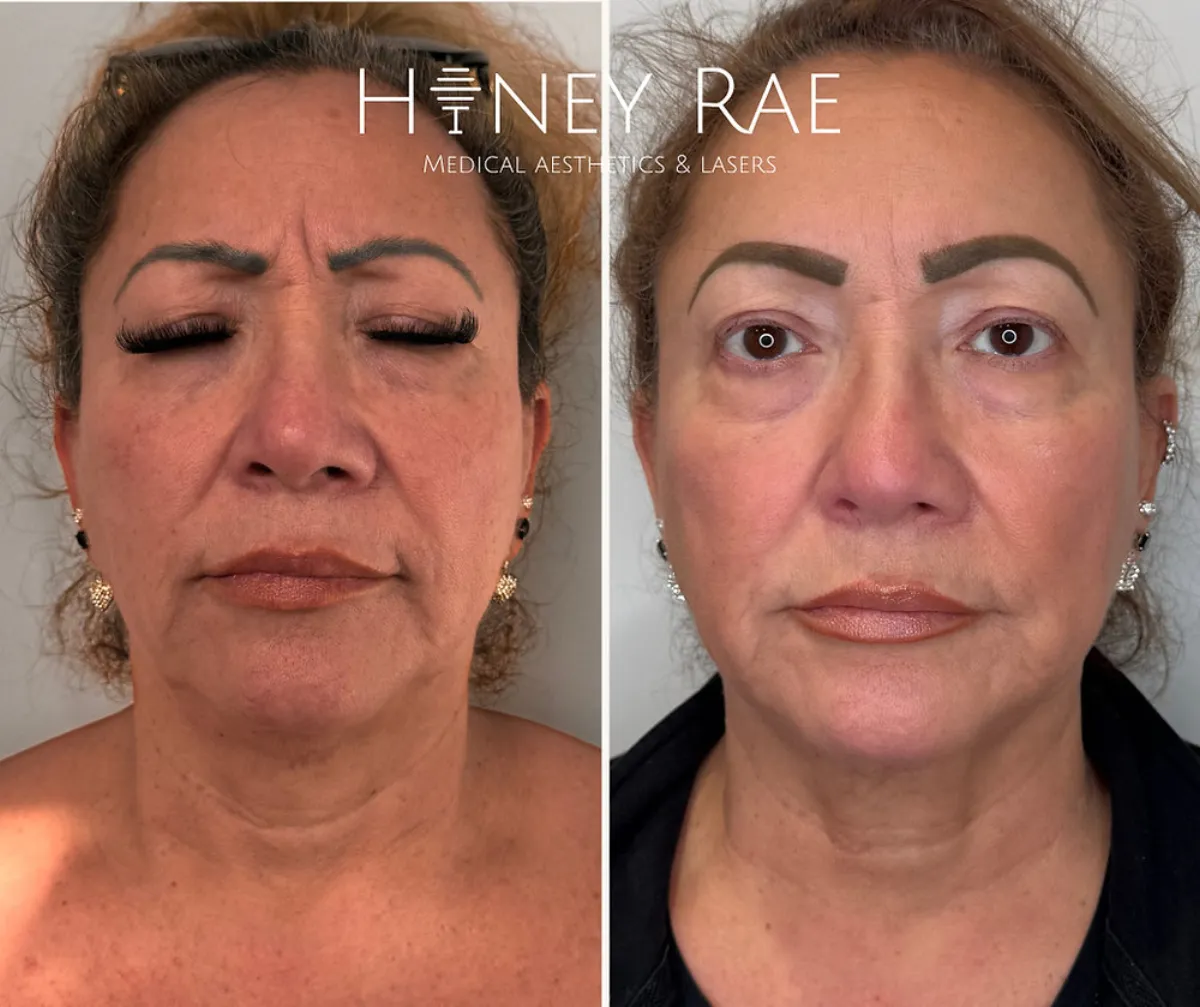
Ask how and when the provider wants to assess the outcome. If photographs are part of that review, use the guidance provided rather than compare images with different lighting or filters. Bring concerns about symptoms or recovery directly to the treating provider; a photo sequence should not replace a needed assessment.
Does microneedling really boost collagen?
A description of how a procedure interacts with tissue does not guarantee the visible result you want. Ask about the specific indication, expected limits, risks, and method of assessing progress.
Discuss alternatives for your concern. Avoid assuming that products, supplements, and energy procedures are interchangeable simply because all mention collagen.
If your main issue is a particular scar, loose skin, or a visible line, ask how the proposed treatment addresses that finding. A claim about collagen should be connected to evidence and realistic outcomes for the specific procedure. It should not make every product or device sound equivalent.
Related reading and current treatment details
Continue reading: Microneedling vs. Morpheus8: Compare Goals and Risks.
Honey Rae Aesthetics is in Eagle Mountain, Utah, serving Eagle Mountain, Saratoga Springs, and Lehi. See current microneedling information and contact the team to discuss your next step.
Further reference: FDA microneedling information.


Comments (0)
Be the first to share your thoughts!