
Jeuveau (prabotulinumtoxinA-xvfs) is one of the neurotoxins we use at Honey Rae Aesthetics, serving Eagle Mountain, Saratoga Springs, and Lehi. The question we hear most is how long it lasts. The honest answer is a range. This guide explains that range, what moves it, and how to plan around it.
How long does Jeuveau last?
For many people, Jeuveau's effect lasts about three to four months. Some notice movement returning a little sooner, and some find it lasts longer. The effect is temporary in everyone. As the treated nerve endings recover, muscle movement returns gradually; it doesn't switch off on a set date.
In the U.S. clinical trials that supported FDA approval, participants were followed for about five months (150 days). The share of people still rated as improved went down steadily over that period. That matches what we see in practice: a gradual fade, not a cliff.
What is Jeuveau FDA-approved for?
Jeuveau is FDA-approved to temporarily improve the appearance of moderate to severe glabellar lines in adults. These are the vertical "11s" between the eyebrows that show when you frown. It was approved in 2019.
Injectors sometimes use neurotoxins in other areas, such as forehead lines or crow's feet. For Jeuveau, those uses are off-label. Off-label use is common and legal in aesthetic practice, but you should know when it applies to your plan, and your injector should explain why they're recommending it. See our glabellar lines (11s) treatment page for the on-label area.
How soon does Jeuveau start working?
Many people begin to see a softer expression within a few days of treatment. The full effect is usually judged at about two weeks. That's why we schedule review visits at around the two-week mark instead of the next day. Early on, one side can settle a little ahead of the other. Judging the result too soon can lead to adjustments you don't need.
What affects how long Jeuveau lasts?
Several factors change how long results last, and most of them are about your face rather than the product.
- Dose and area. The amount placed, and where, has the biggest influence. A conservative dose aimed at keeping more movement may fade sooner than a fuller dose. Neither is wrong; they serve different goals.
- Muscle strength. Stronger, more active muscles, such as a habitual deep frown, often regain movement sooner.
- Individual response. People respond differently to the same product and dose. Your own history is the best predictor, which is why we record what was used and how long it lasted.
- Treatment history. Some people who treat regularly report results that seem to last longer over time. The evidence for this is mixed, so we don't promise it.
- Exercise and metabolism. You'll often read that intense exercise makes neurotoxin wear off faster. The evidence for this is limited. We'd rather tell you that than give you a rule to follow.
Rarely, a person stops responding to botulinum toxin products, which may involve antibodies. If your results get noticeably shorter or weaker over time, tell your injector. Don't simply ask for more product.
What does it feel like when Jeuveau wears off?
When Jeuveau wears off, the treated area slowly regains movement over a few weeks. Usually the first sign is that you can frown or raise your brows a bit more. At-rest lines may become more visible again after that. Your lines return toward how they looked before treatment. Stopping does not make wrinkles worse than they would have been.
How often can you get Jeuveau?
U.S. prescribing information for neurotoxins used on glabellar lines advises against re-treating more often than every three months. In practice, many clients plan visits roughly every three to four months, based on when movement returns and how much movement they want to keep. Some prefer to wait until the effect has fully faded. Others book a little earlier. Both are reasonable once the minimum interval has passed.
If you're budgeting for regular visits, our membership options are designed for routine treatments like this.
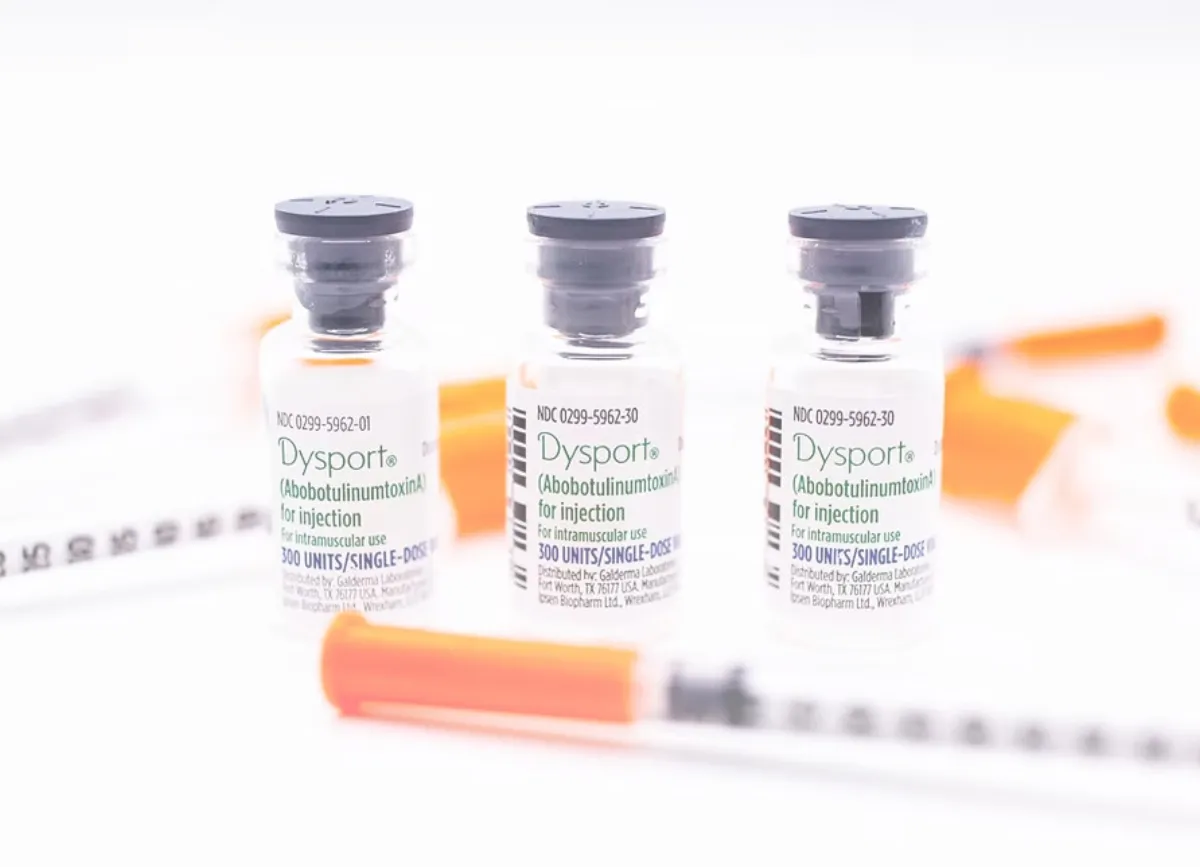
Does Jeuveau last longer than Dysport or Xeomin?
No neurotoxin has been shown to reliably outlast the others for everyone. Head-to-head data in aesthetic use is limited. The difference between two people on the same product is often larger than the difference between products in one person. Units also aren't interchangeable between brands, so "20 units of one" doesn't equal "20 units of another." We compare all three in Dysport vs. Xeomin vs. Jeuveau.
What are the possible side effects of Jeuveau?
The most common side effects reported in Jeuveau's clinical trials were headache, drooping of the eyelid, upper respiratory infection, and an increase in white blood cell count. Bruising or tenderness at injection sites can also happen. Like every botulinum toxin product, Jeuveau carries an FDA boxed warning: in rare cases its effect can spread beyond the injection area. This can cause symptoms such as trouble swallowing, breathing, or speaking, or muscle weakness. Those symptoms need urgent medical care.
Tell your injector about neuromuscular conditions, current medicines, pregnancy or breastfeeding, and any previous neurotoxin treatment. Some people shouldn't be treated, or should wait, and your assessment is how we find that out.
How can you make your results last as long as possible?
You get the most consistent results by starting with a plan that fits your goal and following the aftercare you're given. Follow your injector's instructions for the first day. Common guidance includes not rubbing or massaging the treated area and waiting a few hours before lying flat or doing a hard workout. Come back for your two-week review so the result can be checked. Keep a simple record of when you were treated and when movement returned. That timeline makes your next plan more precise than any general article can.
Planning your next visit
If you're new to neurotoxins, start with our first-time neurotoxin guide, then see the neurotoxin treatment page. We see clients from across northern Utah County and serve Eagle Mountain, Saratoga Springs, and Lehi. When you're ready, you can request a consultation. You can leave a consultation with a plan and no treatment that day.
This article is general education, not medical advice. Results vary, and your treatment plan depends on an in-person assessment.


Comments (0)
Be the first to share your thoughts!